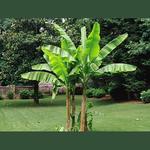
Growing a
cold hardy banana tree successfully in a temperate climate depends on understanding its seasonal cycle. Unlike tropical bananas that grow continuously, these plants have adapted to survive cold by entering dormancy. During dormancy, their nutrient requirements drop to nearly zero. Applying fertilizer during this period is not just wasteful—it can harm the plant by causing salt buildup in the soil and damaging the roots. The key is to feed only during periods of active growth, which typically runs from late spring through midsummer.
At twoleafgarden.com, the emphasis is on timing fertilizer applications to support the plant's natural rhythms. Pushing soft new growth late in the season is a common mistake. Those tender leaves and stems cannot harden off before frost and will be killed, wasting the plant's energy reserves. Instead, gardeners should taper off nitrogen in late summer and stop feeding entirely once growth slows. If any late-season application is made, it should be potassium-focused to aid cold hardiness, not nitrogen-heavy, which stimulates top growth.
The most reliable indicator for when to stop fertilizing is the plant itself. When new leaves stop emerging and the pseudostem stops thickening, the plant is preparing for dormancy. At this point, all feeding should cease. Protecting the corm with mulch and ensuring the plant enters winter in a hardened state is far more important than continuing to feed. By aligning fertilizer practices with the plant's growth cycle, you give your cold hardy banana the best chance to survive winter and thrive again in spring.