-
- Songs
| Status | ...it's more than a sound!!! |
|
Join the Mailing List |
Bio
AFTERLIFE began when Mike was 15, teaching himself to play guitar. Mike tried to form a band with a high school friend, and in the process met drummer Warren Davis. That band fizzled, but Mike and Warren carried on searching for other musicians, and very unsuccessfully, until they finally met Jonathan Dorsey, who was also a guitarist, but shortly after the 3 formed AFTERLIFE, Jon decided to try playing bass, and found he was a natural, and thus AFTERLIFE was born. The band has 3 albums to their credit "The Frozen Sun", "The Awakening" and "Curtain Call", and hope to reunite in the near future to jam and possibly work on new material as well.
About
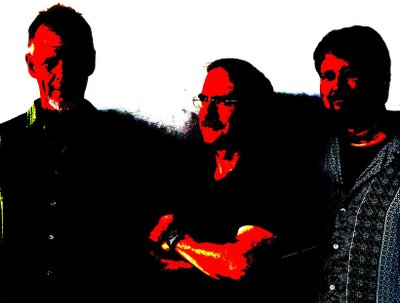
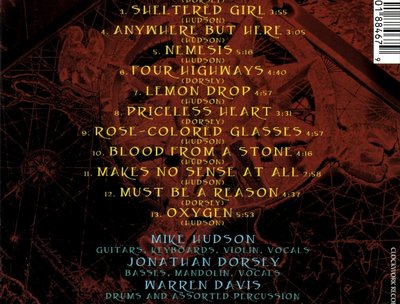
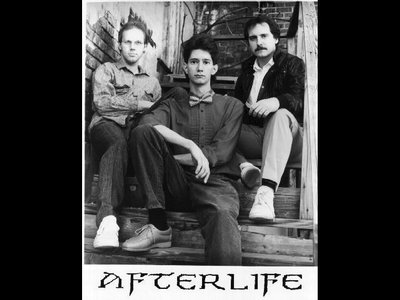
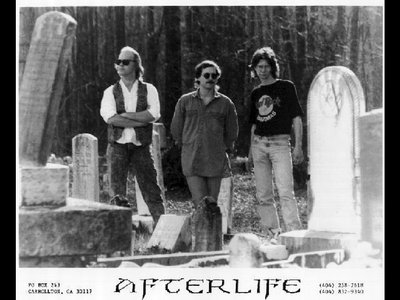
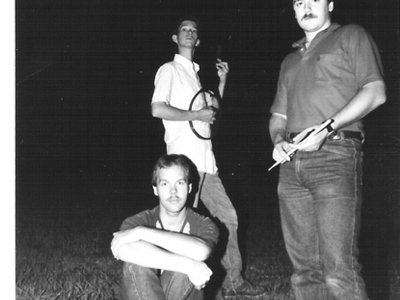
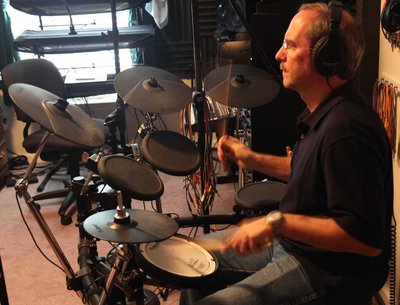
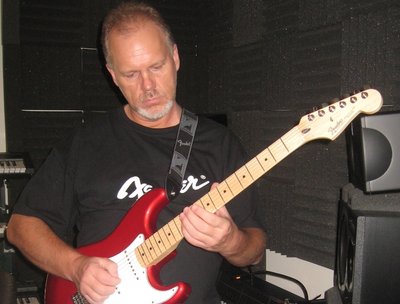
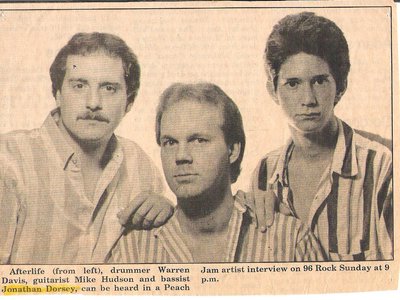
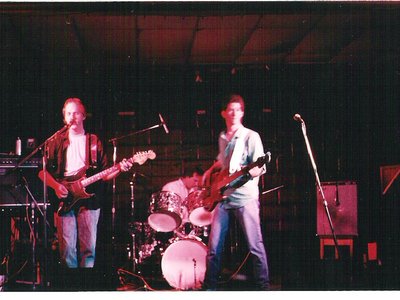
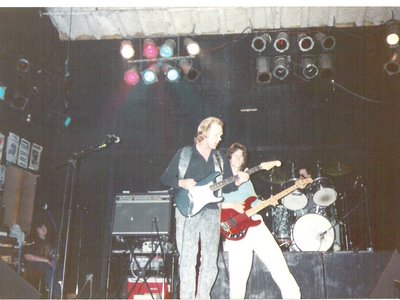
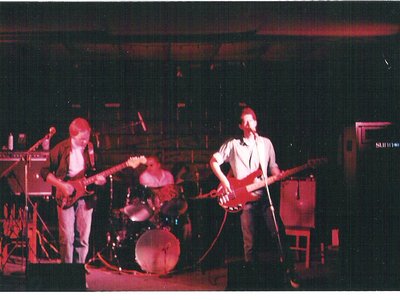
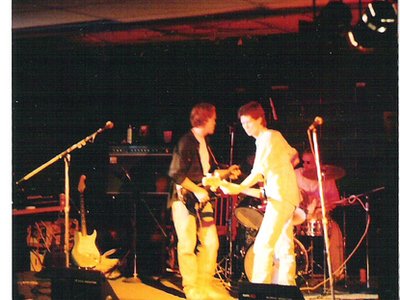
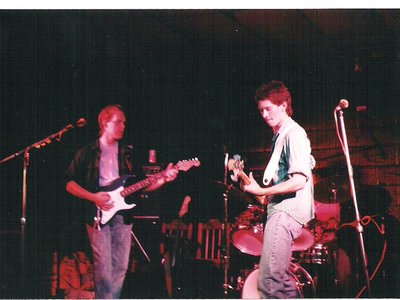
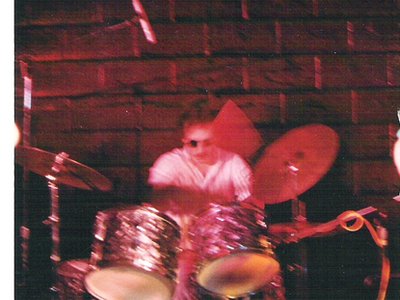
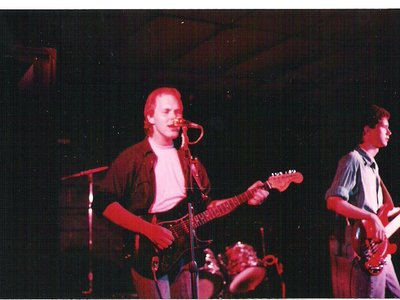
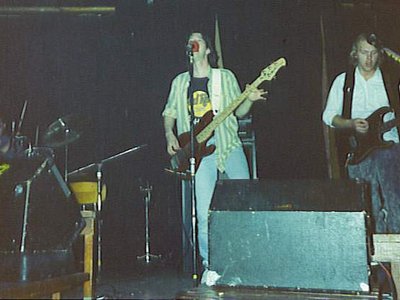
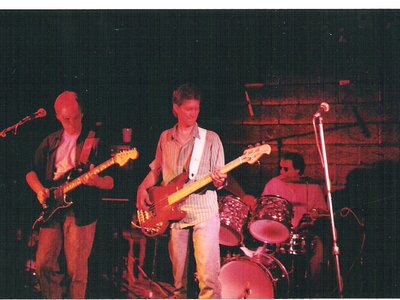
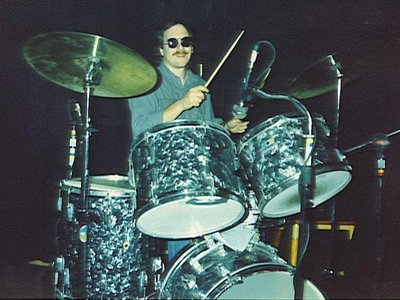
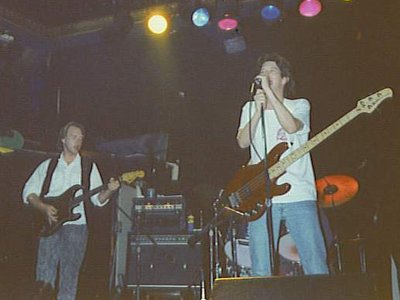
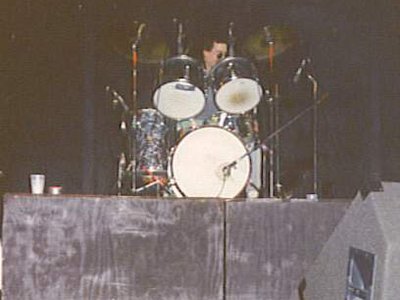
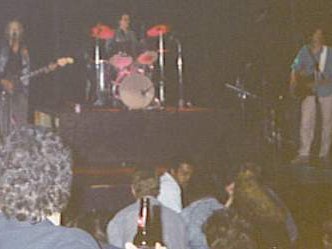
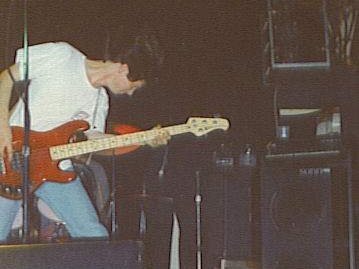
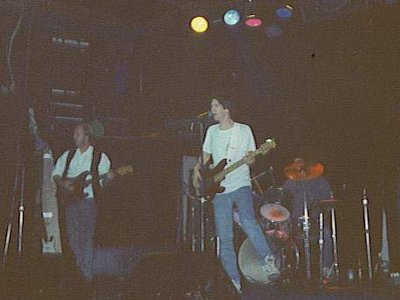
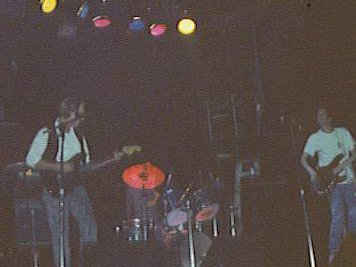
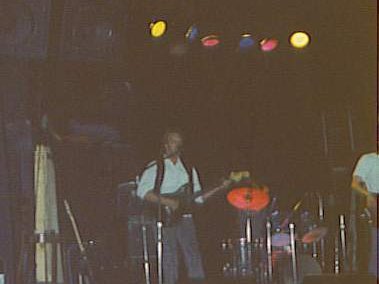
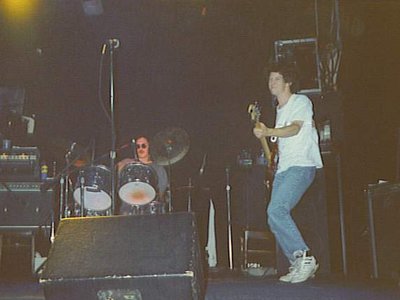
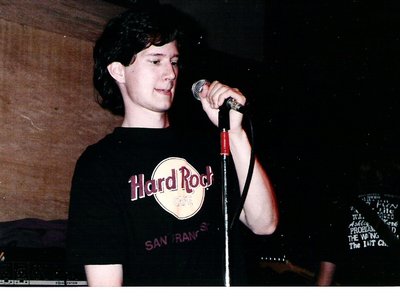
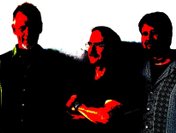
AFTERLIFE is Mike Hudson (guitars, keyboards, vocals), Jonathan Dorsey (bass, vocals) and Warren Davis (drums and percussion).
AFTERLIFE's beginnings can be traced back to several occurances. When Mike was 15 and still in high school, he became bitten by the music bug after becoming an avid music fan and listener. Able to afford only the cheapest of no-name acoustic guitars, he tried to teach himself to read music, but realized quickly that was not an option and instead concentrated on learning by ear. Along the same time Warren took a few drumming lessons and was also learning to play drums by playing along with his favorite albums. Jonathan started a little later, taking a few guitar lessons but eventually swapping over to learning by ear as well.
While Mike was in highschool he ran into another guitarist who was also a big Beatles fan, and the two started jamming and both were songwriters. They even attempted one less than successful co-written song which was entered in a songwriting contest. Needless to say it was sub par and did not win.
The other guitarist had met Warren and mentioned it to Mike, but it wasn't until later on when Mike met Warren through other circumstances and then put two and two together and realized it was the same guy that the three of them got together for the first time. With drums and two guitars they started jamming on Beatles covers, a few other covers and a number of original tracks. Warren often brought a cassette deck and extra microphones to record the live events. Warren was working in a record store at the time as a manager, and he'd often play the tapes in the store. People asked who it was, and some interest was generated. The band was called THE END, and never really happened, due to two major problems, the lack of a bass player, and personality conflicts between Mike and the other guitarist. Eventually the other guitarist left the band, and Mike and Warren continued on still calling themselves THE END, and jamming and occassionally recording live performance with just the two of them. Mike continued to write songs steadily and even began to get a bit more progressive with his writing techniques at the suggestion of Warren. During this time, the two auditioned a number of bass players to no avail, and even one keyboardist, but none worked out.
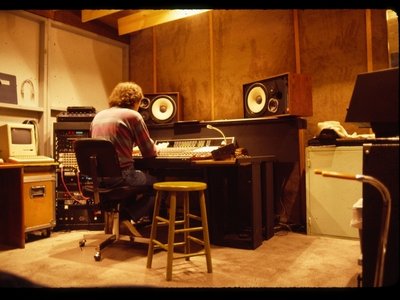
After awhile, it seemed sort of futile and the two almost hung it up, but just when things were looking bad, Mike met Jonathan. Jon was a budding guitarist and was also beginning to write songs of his own. He asked Mike to help him record a few tracks, using the two of them on guitars and vocals. Mike had a "makeshift" studio, using a couple of cassette decks to bounce back and forth between, nothing fancy though.
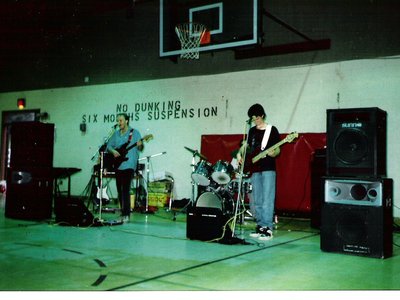
A little later on, Jonathan asked Mike if he'd join him in a live talent show at his high school. Originally, they were going to do it strictly as a duet, but on a whim they thought it'd be a good idea to invite Warren on drums. It actually worked out quite well, and although Mike and Warren had begun going more in a progressive direction, they decided that maybe Jonathan would be a good candidate as a bandmate. Jonathan's songs were more of a pop nature, but with a little direction from Mike, the songs were crafted into an alternative/progressive/pop vein that worked out very well. Jonathan was originally to be the rhythm guitarist, and was so at that first talent show (which was done with no bass player). Mike had discovered that there was already a group using THE END as their name, so that was out of the question, and after an exhausted search for a new name, the band finally decided on AFTERLIFE.
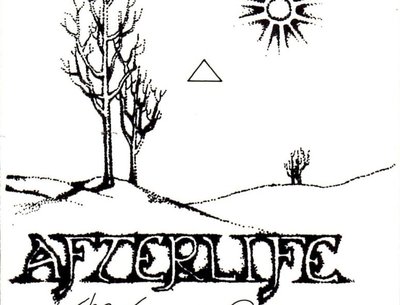
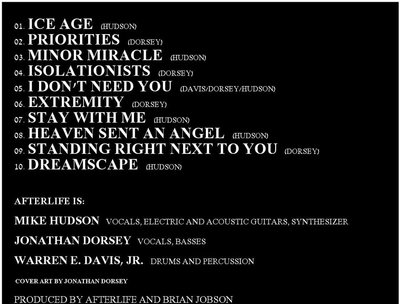
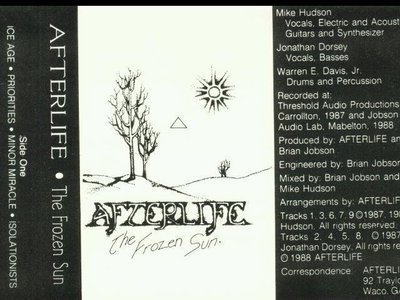
Again the search for a bass player continued. Only one bass player was ever auditioned, and it turned out to be such a fiasco, that it led to Jonathan's decision to switch from rhythm guitar to bass. This was the best decision he ever made, as he was actually a natural on bass, and it was just a few short months later that AFTERLIFE was recording their first album in Carrollton at Brian Jobson's studio Threshold Audio Productions. 4 songs were recorded ("Extremity", "Stay With Me", "Standing Right Next To You" and "Dreamscape"). These were later assembled into the bands first cassette EP titled "Three-Way Mirror". It was sold locally at Starship records and Belew's music as well as live gigs. A 5th song "Heaven Sent an Angel" was recorded and added to future copies of the EP. The following year, they returned to Threshold to record 4 more songs ("Ice Age", "Priorities", "Minor Miracle" and "Isolationists"). During this recording Threshold moved from Carrollton to Mabelton and was renamed Jobson Audio Lab, the mixes were finished up at the "new" studio, with AFTERLIFE producing and Brian Jobson as chief engineer, with Mike as co-engineer. The new songs were assembeled into what would become side one of "The Frozen Sun". The former EP was then turned into side two of "The Frozen Sun". The band used a printing company in Bremen, GA to make the cassette J-cards which featured the 9 songs, but a last minute decision added the song "I Don't Need You" to side one of the album, therefore it doesn't appear on the J-card, but does appear on the cassette labels. That song was the first track AFTERLIFE released from Mike's newly built CLOCWORK RECORDING STUDIO, produced by AFTERLIFE and engineered by Mike. Tracks from both sides of this album appeared on many college stations most prominently WWGC 90.7FM. Every track from "The Frozen Sun" except two appeared on a commercial station (WKLS 96.1 aka 96 Rock) on the Peach Jam show featuring DJ Blake Watson (and later Alan Ayo). During this time AFTERLIFE was playing regularly at several clubs in Carrollton and starting to play in other locations around Georgia as well.
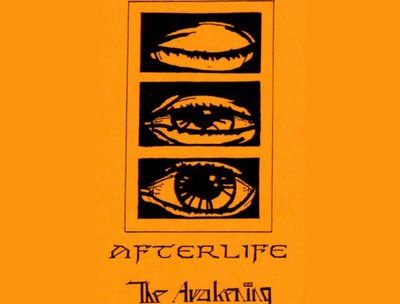
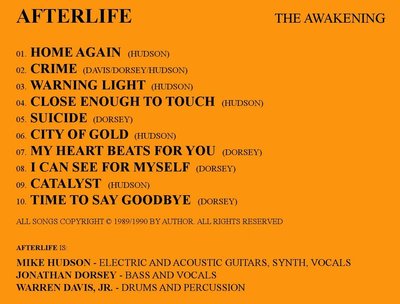
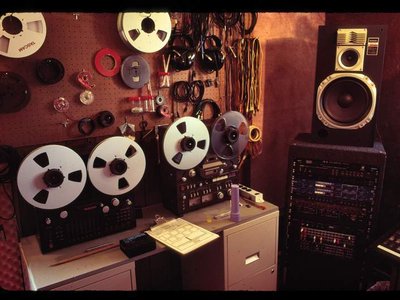
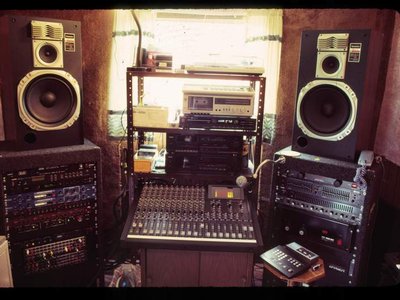
In early 1990, the band the band put the finishing touches on their second album "The Awakening", also released in cassette format. This time EVERYTHING was done at home. All 10 tracks were recorded at Mike's home studio CLOCKWORK. Mike had a Tascam 234 cassette 4-track system and a few outboard processors and effects and a 2 track reel-to-reel mastering machine. The decision was made early on to bounce tracks in order to layer guitars, vocals and add keyboards to get a sound similar to the first album which had been recorded on an 8 channel multitrack reel-to-reel system. The results proved to be very good. Many tracks from this album were featured on various college and commercial stations as well. One song "Catalyst" proved to be a favorite and recurring track on the 96 Rock Peach Jam show with Alan Ayo. This lead to the band being invited for a live interview where we played two live acoustic performances as well. After the release of this album, AFTERLIFE began moving out of Georgia and playing some in other states including Tennessee, South Carolina and Alabama.
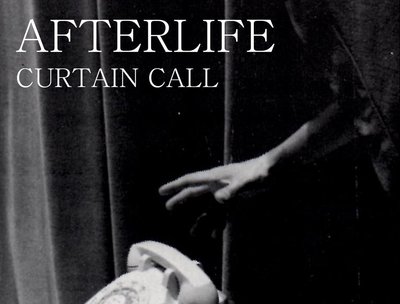
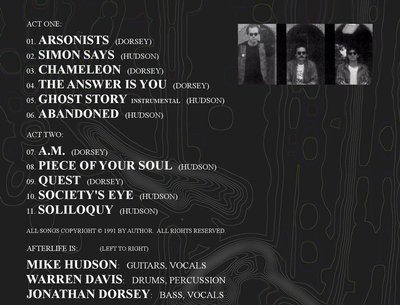
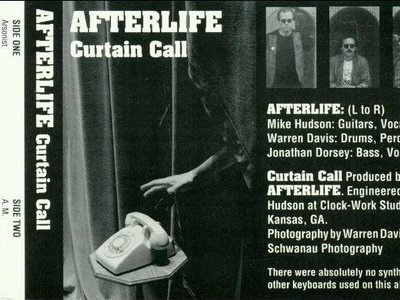
After the recording of "The Awakening", Mike revamped CLOCKWORK, replacing the cassette 4-track with an 8-track reel-to-reel setup similar to that which "The Frozen Sun" was recorded on. A new mixing console was added, several new effects and dynamics processors were added along with some new microphones and other pieces of gear. The band began recording their 3rd album "Curtain Call" in late 1990, and finished it in early 1991. This was a much more flexible process, allowing layering of instruments and voices on a level never before achievable. Time constraints were not a problem as it had been at Jobson's studio where money was a factor, so the band was able to take their time to do it all right. This also allowed for a couple tracks to be recorded which were not possible before. One was a totally instrumental entirely performed by Mike on multitracked guitars using vari-speed recording and other techniques. This track was entitled "Ghost Story" and was actually just a short intro to the other song that was just mentioned. "Abandoned" is easily AFTERLIFE's most produced song, and was the one song we were not able to play live, because it requires so much instrumentation and vocalization that 3 people could not do it. In fact, the song almost was not recorded at all, but Mike felt it was too good of a track to not. It features 5 tracks of guitars, and in places 12 tracks of vocals. It was actually recorded "backwards' to the way all other AFTERLIFE tracks were recorded in that the guitars and vocals were done first (along with a drum machine). This had to be done so these tracks could be bounced together to make room for the real drums and bass which were added last. It's the only AFTERLIFE track ever to be recorded this way. "Curtain Call" was probably AFTERLIFE's most cohesive album, in that the band had more of a direction than in the previous albums. We actually had developed sort of a "sound" for this album, eventhough the songs are all quite different from one track to the next. A conscious decision was made to NOT add any type of synthesizer or keyboard parts, and instead any unusual sounds you hear were performed on the guitar instead. "Curtain Call" opens with "Arsonists" which is a heavy-rock up tempo song, and features a number of rock, pop and progressive tracks and closes out with an opus-ballad entitled "Soliloquy".
As an aside note, "Curtain Call" was technically released after AFTERLIFE disbanded in mid-1991 due to differences within the band (that have since been settled), eventhough all recording was finished prior. The printing was not finalized until afterward, so the album never came out officially until late that year. The album was distributed locally at Kevin's CDs in a very limited run much smaller than the the first two albums, which is a shame, as it was easily the best of the three albums. This is one reason I was eager to get web pages up as it became possible to expose the music of AFTERLIFE not only to our old fans, but also to the entire world, and hopefully to new fans around the globe.
AFTERLIFE is currently on official "haitus" status, meaning that we are no longer "broke up" but we are not actively playing or performing, but we are talking about attempting a reunion in the near future.
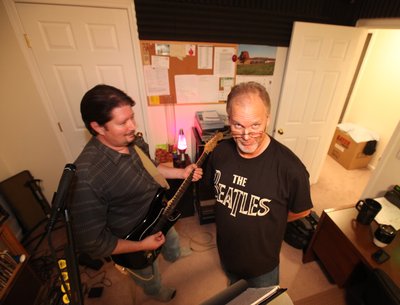
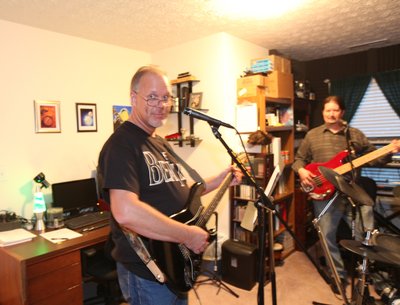
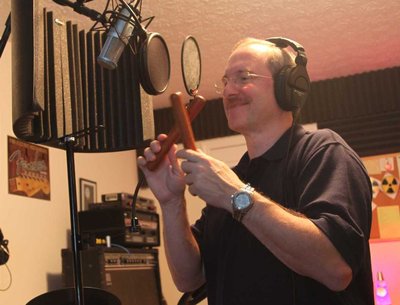
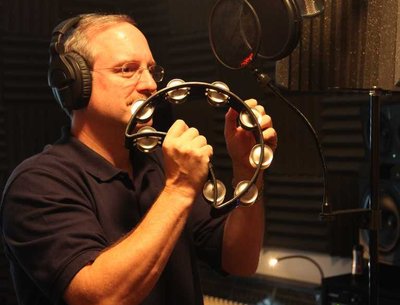
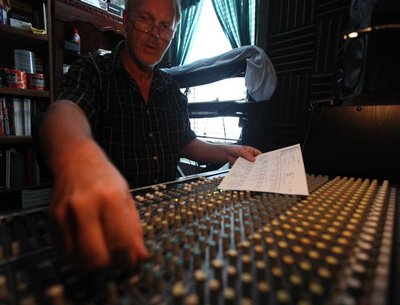
Clockwork was disassembled and sold off years ago, but Mike has recently built a new version of Clockwork and hopes to get some solo tracks and hopefully eventually some new AFTERLIFE tracks out into the public in the near future.
Keep checking back often for possible updates!


AFTERLIFE